

Watercolour Leaf Wallpaper
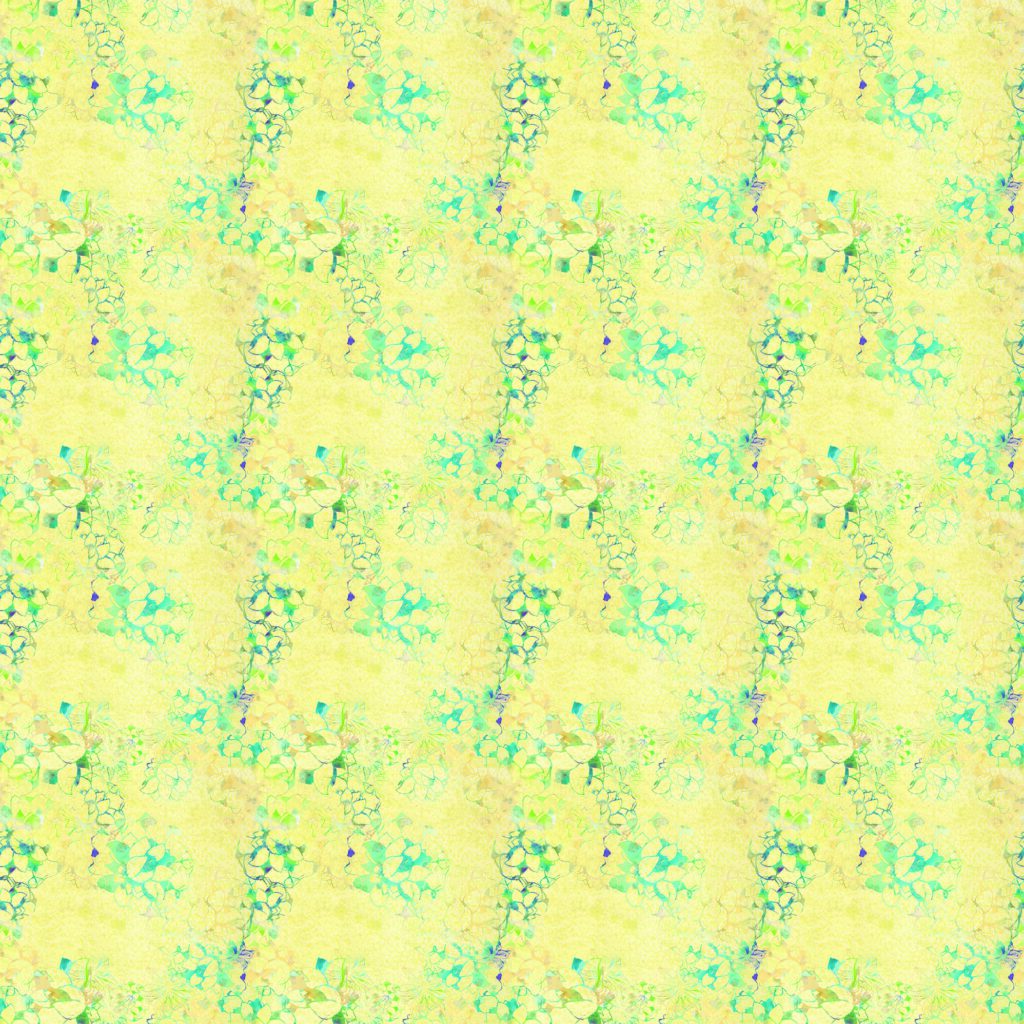
Pearly Abstraction Collection · Sunlit_Forest_Yellow
63 EUR per sq m
Roll size 53 cm × 10 m (5.3 m²)
What is watercolour leaf wallpaper?
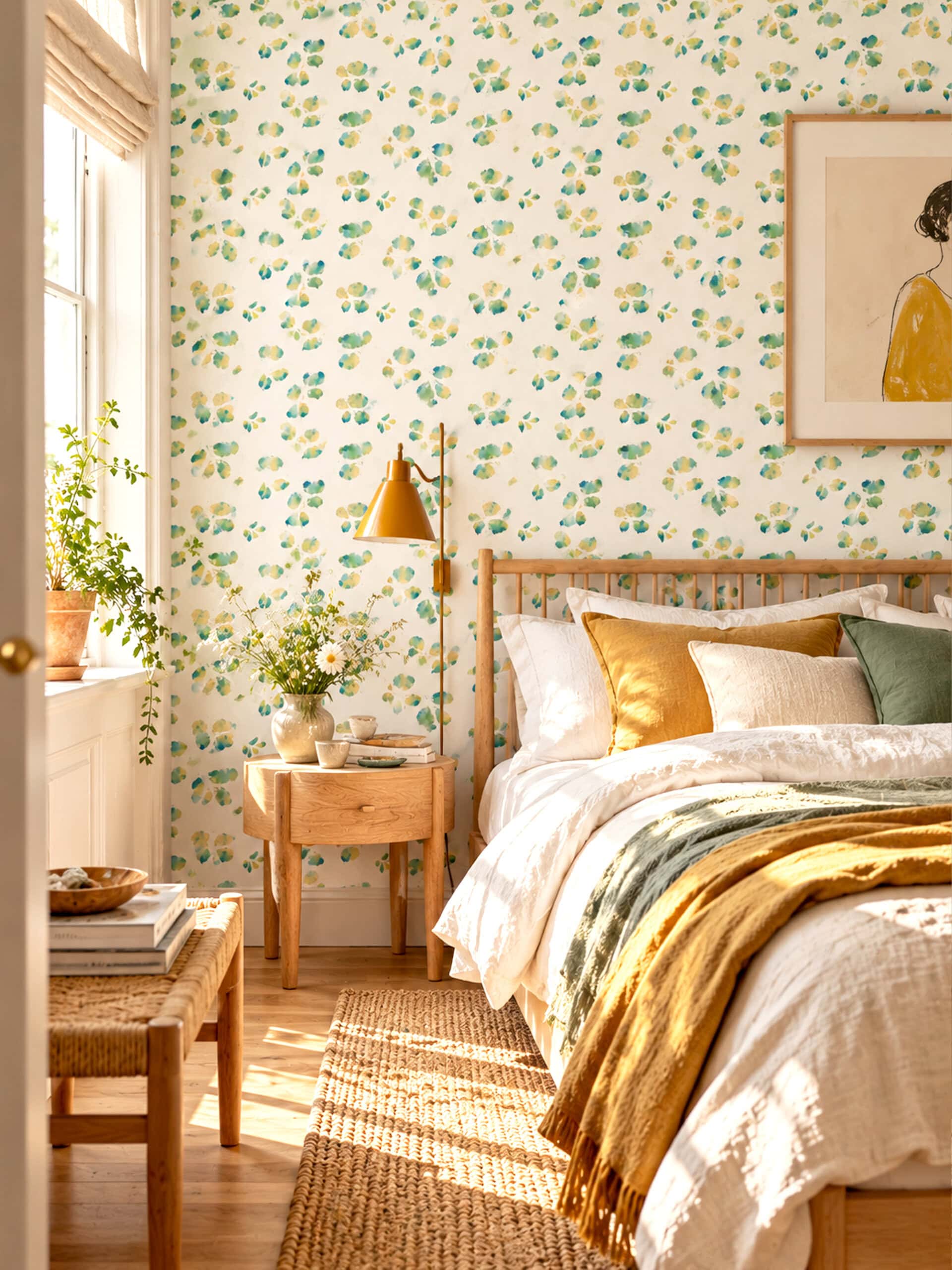
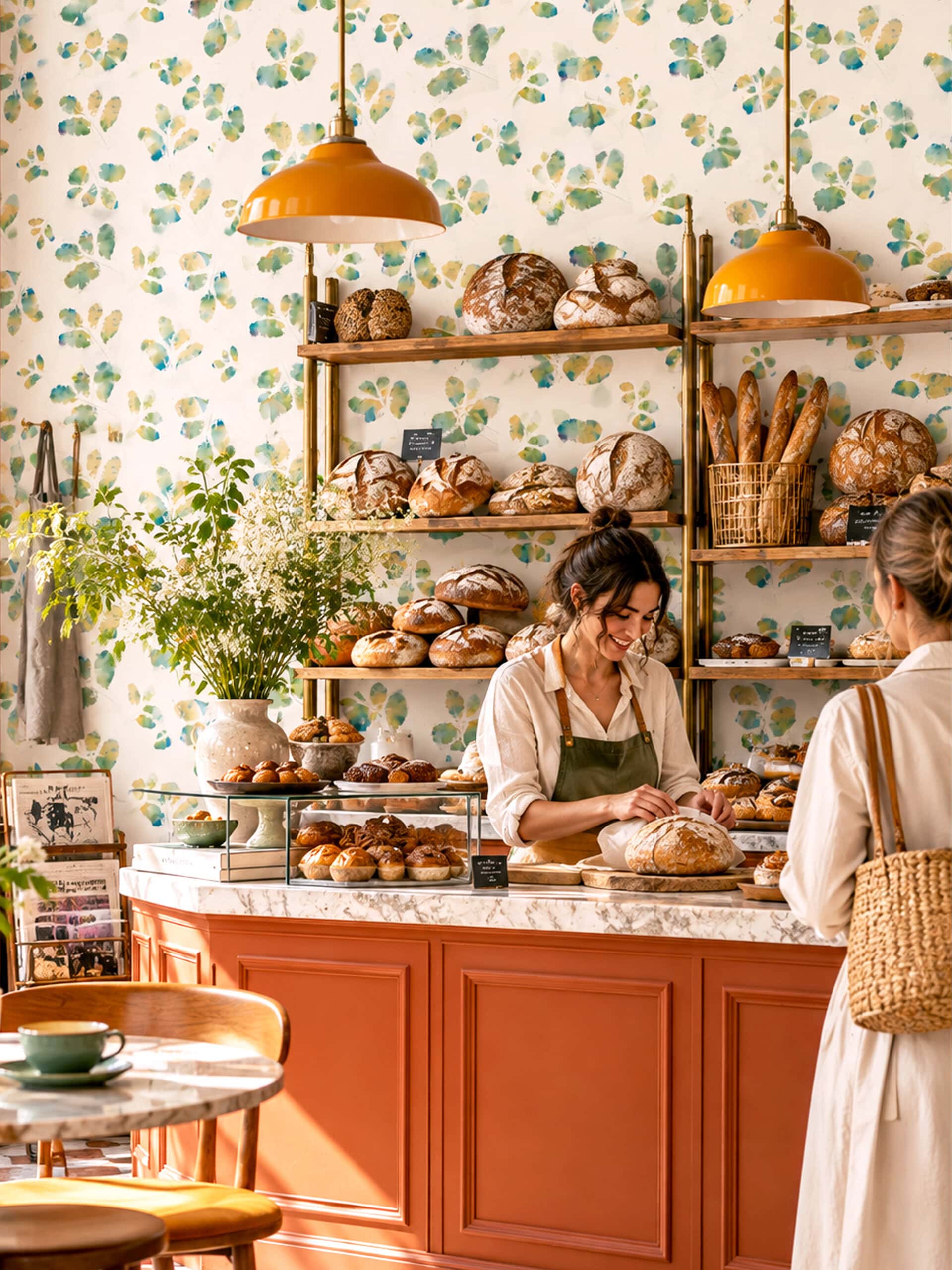
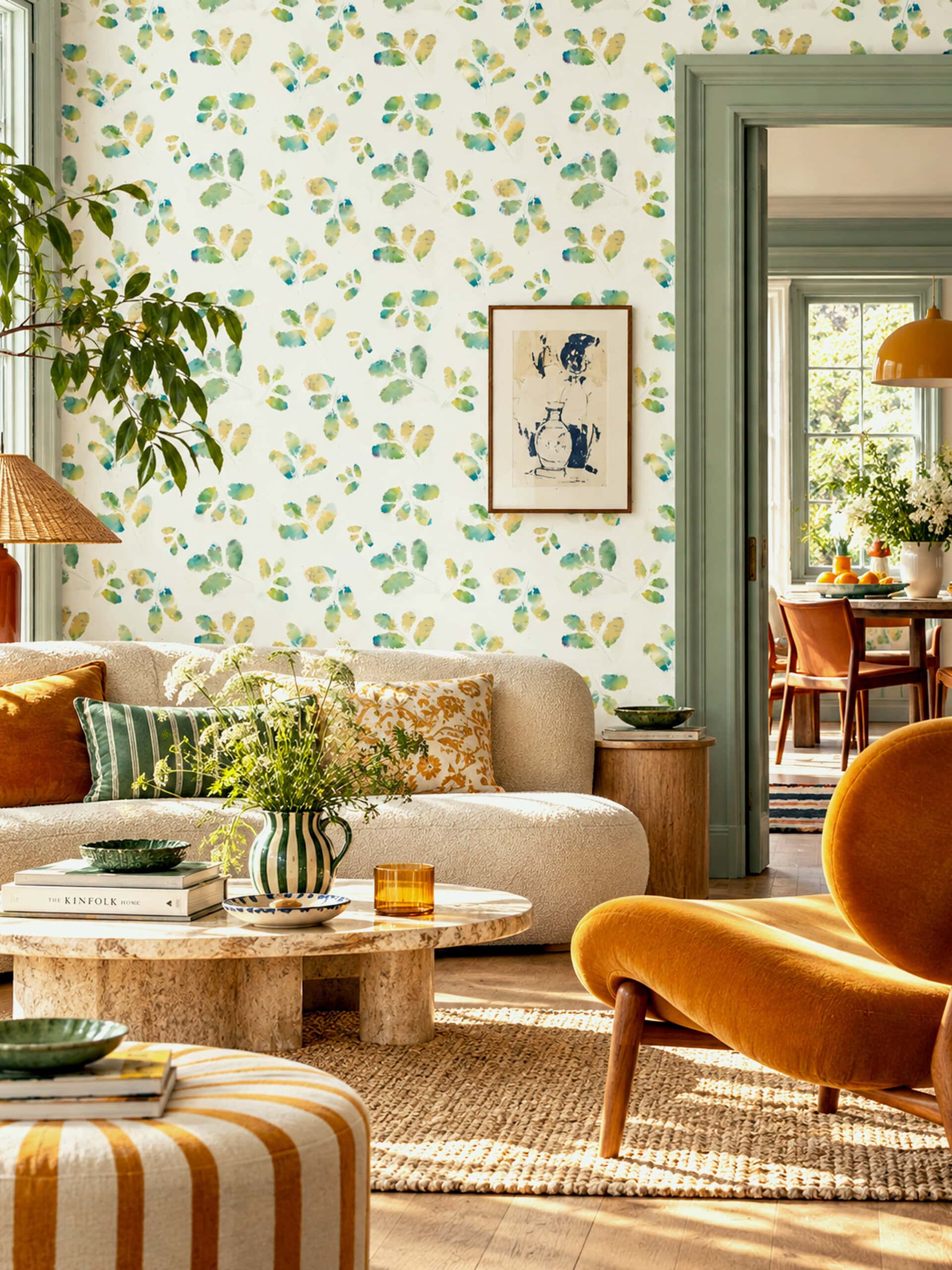
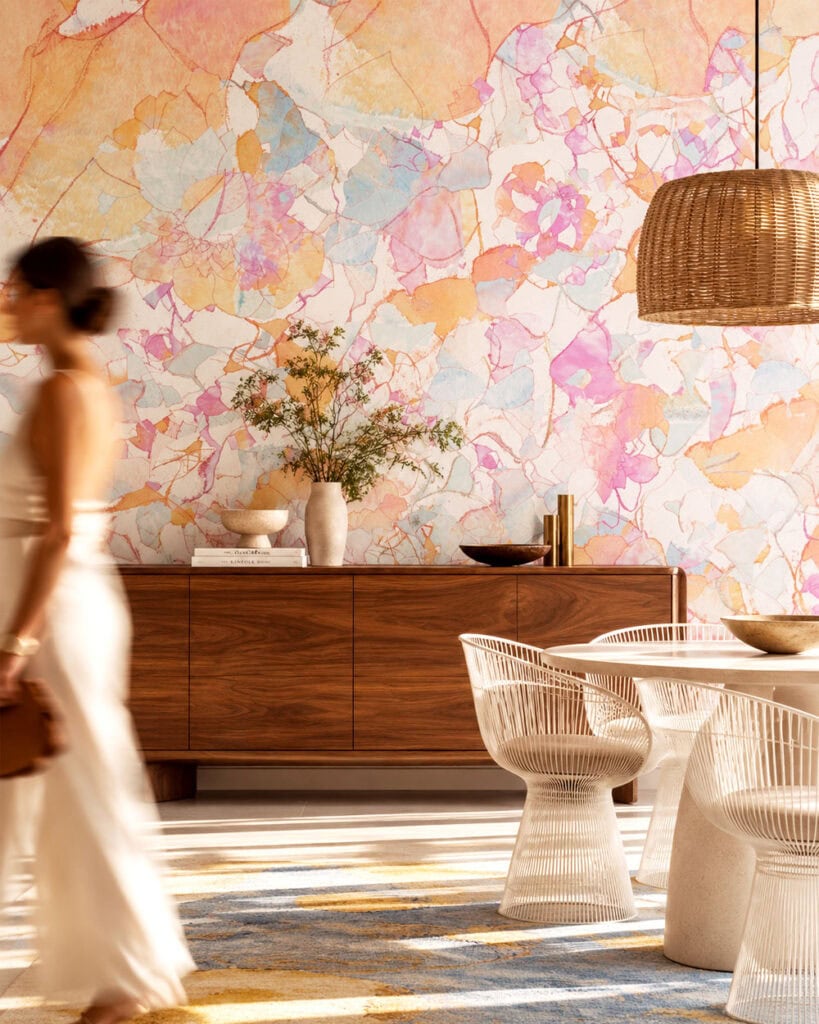
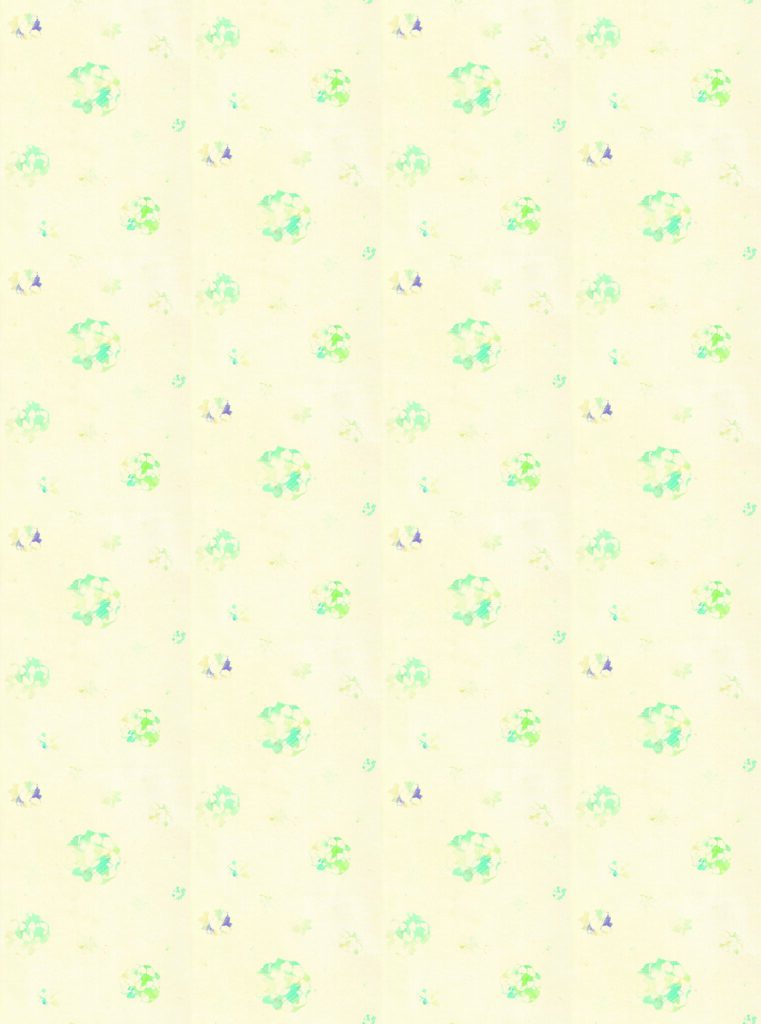
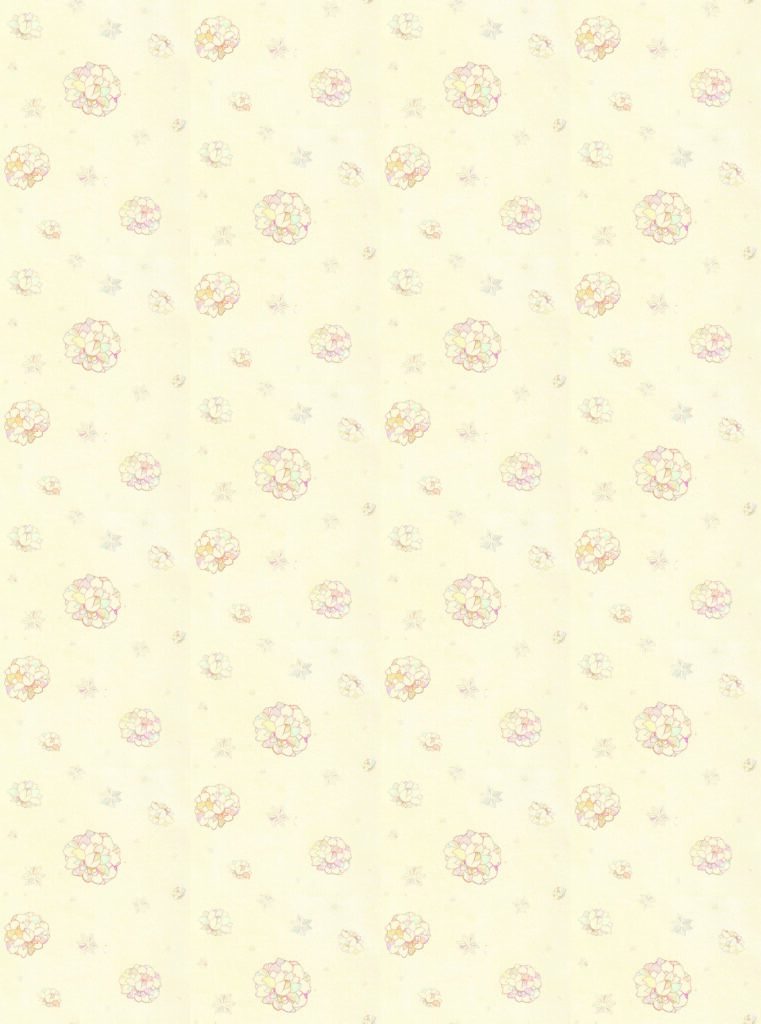
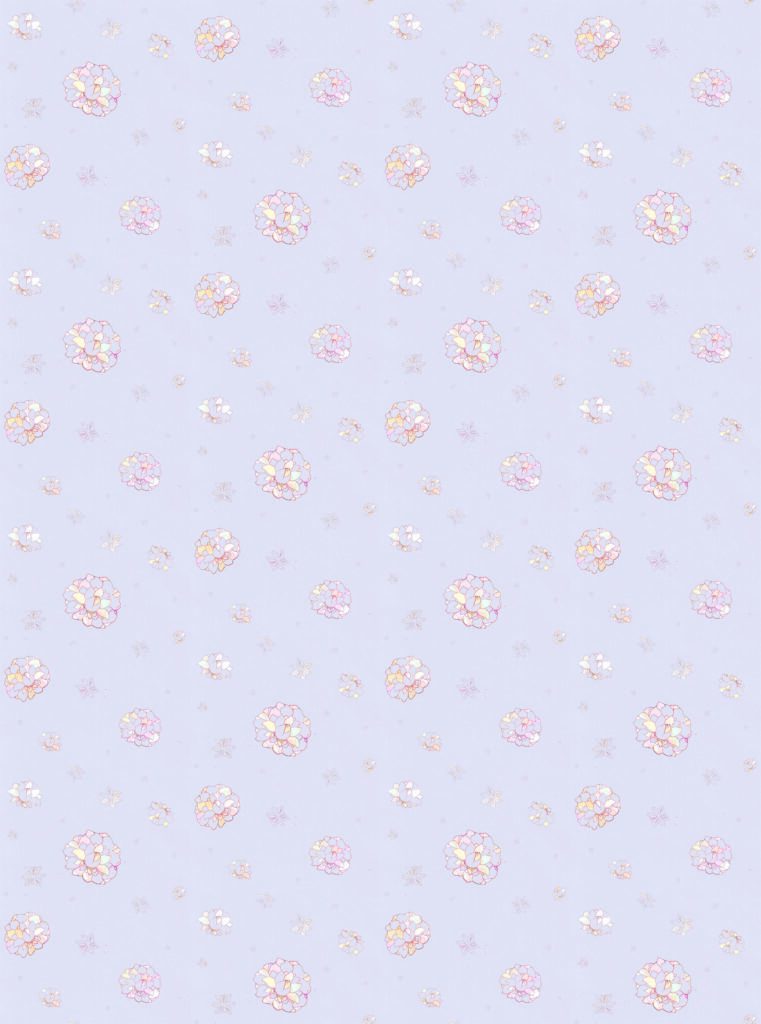
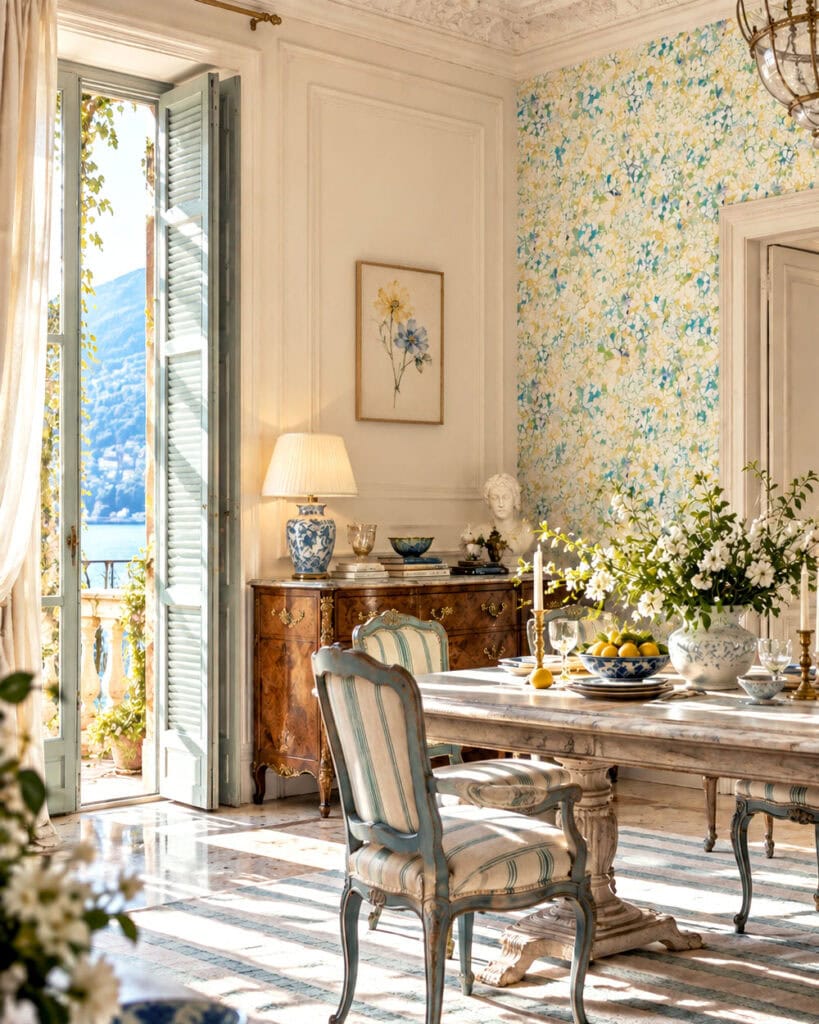
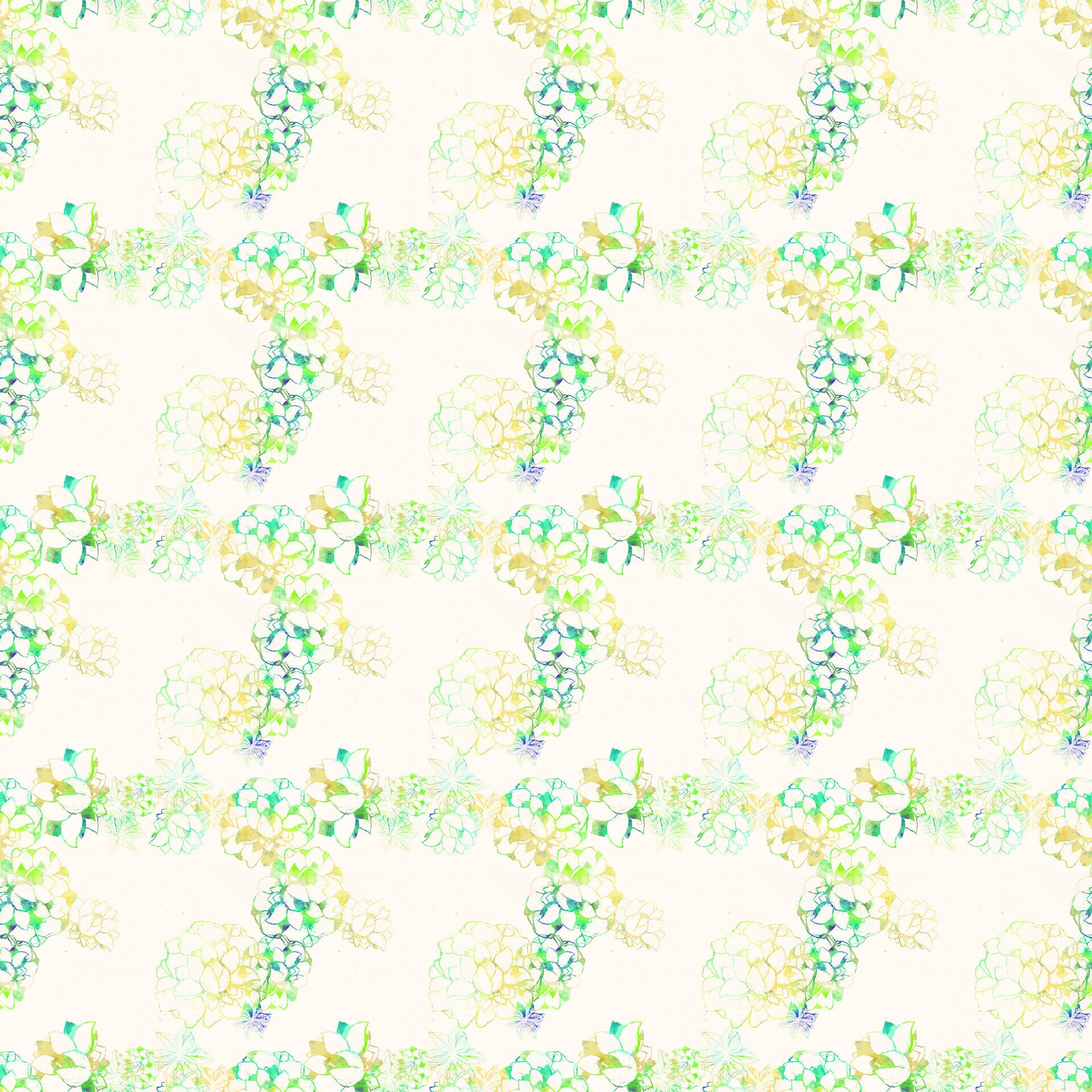
Watercolour leaf wallpaper is a botanical wallcovering in which leaves and sprigs are rendered with the translucent washes, soft edges and subtle pigment variations characteristic of watercolour painting. Unlike sharply outlined botanical illustrations or digitally precise geometric repeats, watercolour patterns retain the fluidity and irregularities of the artist’s brushwork. The technique gives botanical motifs a particular lightness. Pigments appear to dissolve into the background, colours overlap gently, and individual leaves may vary in intensity or definition. Even when arranged in a repeating pattern, these painterly details create a surface with depth and visual movement. In contemporary interiors, watercolour botanical wallpaper offers an alternative to both traditional floral decoration and large-scale statement murals. Small, loosely arranged motifs can create an almost textile-like effect, while more generous botanical compositions introduce a distinctly artistic presence. The character of the result depends on the relationship between colour, scale, negative space and the architectural proportions of the room.
What is the history of botanical wallpaper in English interiors?
Botanical wallpaper in English interiors developed through centuries of textile design, imported decorative arts and a growing artistic interest in the natural world. One of its most important influences was Indian chintz, the painted and dyed cotton fabric that became fashionable in Europe during the seventeenth and eighteenth centuries. As documented by the Victoria and Albert Museum, chintz textiles produced along India’s Coromandel Coast were imported in large quantities into Britain and the Netherlands. In the eighteenth century the fashion for them swept Britain, France and the Netherlands, and small floral sprigs scattered across pale grounds were among the popular designs, as a chintz handkerchief in the V&A collection shows. The museum also notes that British buyers generally favoured chintz with white grounds and delicate floral motifs. By the mid-nineteenth century, floral and botanical patterns had become the most common wallpapers in English homes. William Morris, whose influence shaped the Arts and Crafts movement, brought renewed attention to the character of ordinary plants. According to the V&A, he favoured commonplace plants of meadows and the countryside over exotic blooms, and his stylised forms grew out of direct observation of their shapes and curves. This tradition helps explain the enduring appeal of small botanical prints in English country interiors. Their richness comes not from dramatic scale, but from the observation of nature, the rhythm of repetition and the relationship between ornament and the surrounding furnishings.
How did Scandinavian design influence botanical wallpaper?
Scandinavian design showed that richly patterned botanical textiles and wallpapers could sit comfortably within modern interiors. One of the most influential figures in this development was Josef Frank, the Austrian-born architect and designer who moved to Sweden in 1933. As the Fashion and Textile Museum explains, his work with Estrid Ericson at the Stockholm interiors company Svenskt Tenn helped define what came to be known as Swedish Modern. Some of Frank’s best-known patterns drew directly on natural history illustration. The Cleveland Museum of Art notes that he based brightly coloured, naturalistic textile designs on the botanical prints of the eighteenth-century Swedish botanist Carl Linnaeus, and that his organic patterns often set strong, contrasting colours against creamy white or deep, inky grounds. Through exhibitions and department-store installations, his work reached a wide international audience and influenced other designers. The significance of this approach lies in its freedom of composition. Botanical ornament was no longer confined to traditionally furnished rooms. It could bring colour and movement into contemporary interiors, particularly when balanced with simple architectural lines, natural materials and considered proportions.
Is small-scale or large-scale botanical wallpaper better for a room?
The choice between small-scale and large-scale botanical wallpaper depends on the room’s proportions, the number of walls being decorated and the effect you want to achieve. Neither scale is inherently better for a small or a large room; what matters is how the pattern interacts with the architecture and furnishings. Small-scale botanical patterns tend to create a continuous decorative surface. Viewed from a distance, individual leaves and flowers merge into a gentle rhythm, often resembling printed fabric rather than a series of separate illustrations. This makes them particularly effective in bedrooms, reading rooms, intimate dining spaces and rooms papered on several walls. Larger botanical motifs have a more architectural presence. They can establish a focal point, emphasise ceiling height or bring movement to an otherwise restrained room, and they work especially well on uninterrupted walls, where the composition is not broken up by furniture, doors or windows. A small room does not necessarily require a small pattern. Oversized designs can create a striking sense of depth in compact spaces, while delicate repeats can soften large interiors without overwhelming them. The most important consideration is viewing distance: assess a pattern both close up, where its details become visible, and from across the room, where its rhythm, density and colour determine the atmosphere.

Not sure yet? Touch it first.
Pick 3 samples.
Get 2 more on us.
Keep them, or pass them to a friend who's still living with beige. Spread the vibe — it always comes back around.
Made to order — production takes 5-7 working days, then shipped to your door.
Not sure this is right for your room? Write us an email or book a free 1-hour design consultation →
The Story
Styling This Wallpaper
Bought it.
Loved it.
Brag about it
We're a small studio, not a brand with a review army. Every word you leave here matters a lot to us, and it helps the next person find their wall.
— Barbara & the studioQuestions About This Pattern
Do I need an interior designer to choose the right wallpaper?
Not necessarily. Most people can choose confidently on their own — and if you'd like a second opinion, email us or book a free 1-hour design consultation with the studio for guidance on colour, pattern and placement. A paid consultation is only needed if you're after a full interior design service for your space, beyond just choosing a pattern.
Can I order a sample of this wallpaper first?
Yes — ordering a sample is optional but recommended. Screen colours can differ slightly from the printed result, so a sample confirms the exact tone in your own light before you commit to the full wall.
Can I customise the size or colour?
Size is always made to your exact wall dimensions — just enter height and width. Colour customisation is available for most designs; this piece is part of our standard collection, not a limited-edition print, so recolouring is possible on request.
How long does production take?
5-7 working days. Every Vesper Royale wallpaper is made to order — we hold no stock — so production begins only once you place your order.


Reviews
There are no reviews yet.